Fire mitigation in Grand County Colorado has never been more urgent — or more tied to your financial survival. On October 21, 2020, the East Troublesome Fire crossed the Continental Divide and tore through Grand County in a matter of hours. By the time it was contained, it had burned more than 193,000 acres — the second-largest wildfire in Colorado recorded history — and destroyed hundreds of structures across the Fraser Valley, the Granby area, and the communities surrounding Grand Lake. Two people lost their lives. Tens of thousands were evacuated.

That disaster didn’t just reshape the landscape. It reshaped the insurance market.

Since 2020, Grand County property owners have faced non-renewals, premium spikes, and coverage limits that barely cover replacement costs. Insurance companies — using opaque algorithmic wildfire risk scores homeowners couldn’t see or challenge — quietly dropped policies or raised rates beyond affordability. Statewide, Colorado premiums rose 57.9% between 2018 and 2023. Non-renewals rose 77% over the same period.

Here’s what most homeowners don’t know: if your house burns and you can’t prove you took reasonable mitigation steps, your insurance company can use that against you. Insurance carriers citing “insufficient documentation” of mitigation efforts is a documented tactic in wildfire claims disputes. Without a professional paper trail — written reports, zone-by-zone photos, scope of work records — you’re walking into a claims fight unarmed.

Colorado Estate Care doesn’t just protect your home from fire. We protect you from your insurance company.

Our work produces defensible space in the three zones Colorado requires — and it produces the professional documentation record that gives you legal standing to fight back: to request a discount, appeal a risk score, or dispute a denial. For Grand County property owners — many of whom are absentee or vacation homeowners already under extra insurer scrutiny — that paper trail may matter as much as the clearance work itself.


The Real Fire Risk in Grand County

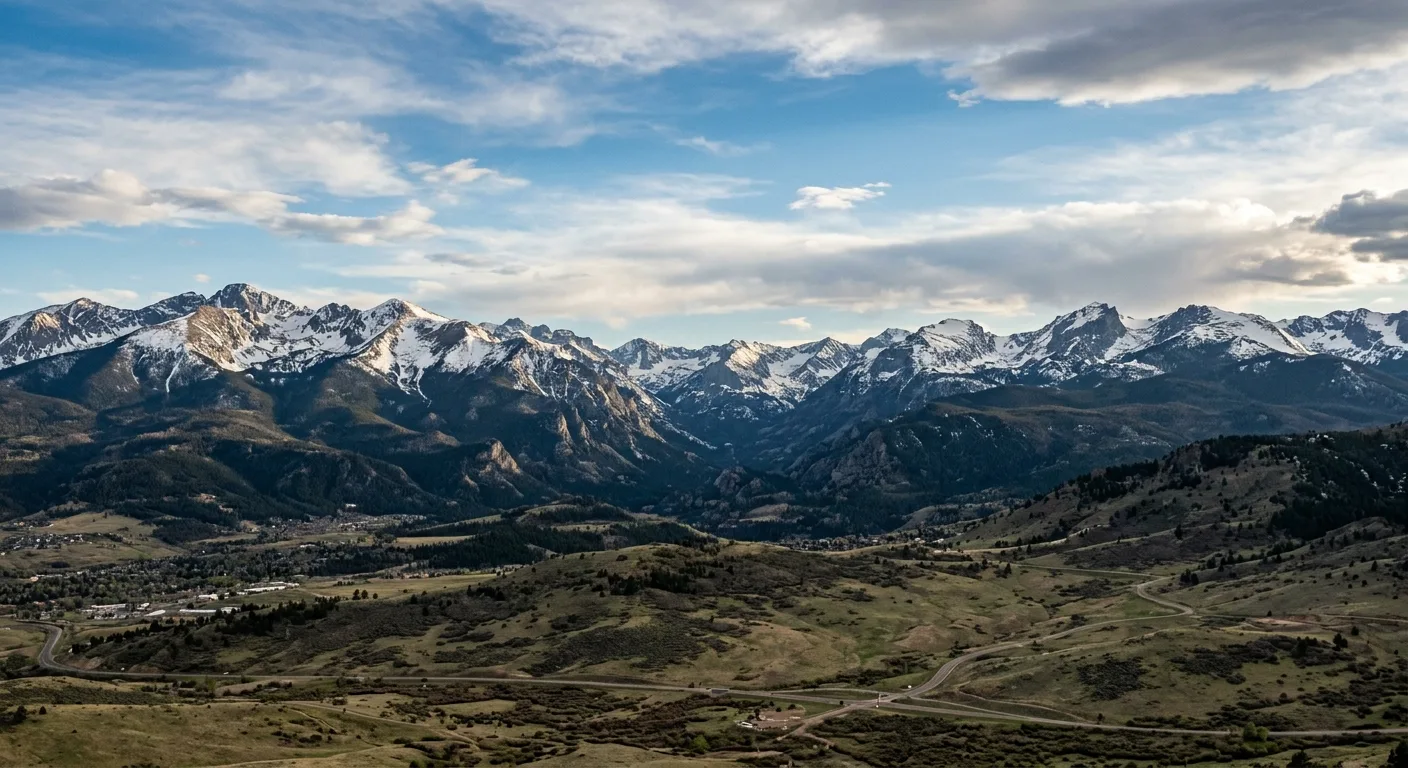
Grand County encompasses the Fraser Valley, the Granby plateau, the Grand Lake area at the eastern gateway to Rocky Mountain National Park, Tabernash, Winter Park, and surrounding rural areas. The county is heavily forested with lodgepole pine, subalpine fir, and Engelmann spruce — fuel types that, when dry and beetle-affected, carry fire with extreme intensity.

The East Troublesome Fire demonstrated exactly how fast that can happen. The fire started west of Kremmling on October 14, 2020. When sustained winds arrived on October 21, it made a run of over 100,000 acres in a single day. Firefighters couldn’t stop it. The only variable that consistently distinguished surviving homes from lost ones was pre-fire mitigation.

Two decades of bark beetle damage have left massive volumes of standing dead timber throughout Grand County’s forests. Many properties sit on slopes or in valley positions that channel wind. And the high proportion of vacation and second homes means many properties go unmonitored for months at a time — vegetation builds, dead material accumulates, and no one is there to notice.

The Grand County Wildfire Council and local fire districts have continued post-East Troublesome mitigation planning, and the county remains a high-priority area under Colorado’s statewide wildfire risk management framework. But community planning doesn’t protect your specific property. That’s your job — and ours.


What “Defensible Space” Actually Means (and Why Insurance Companies Care)

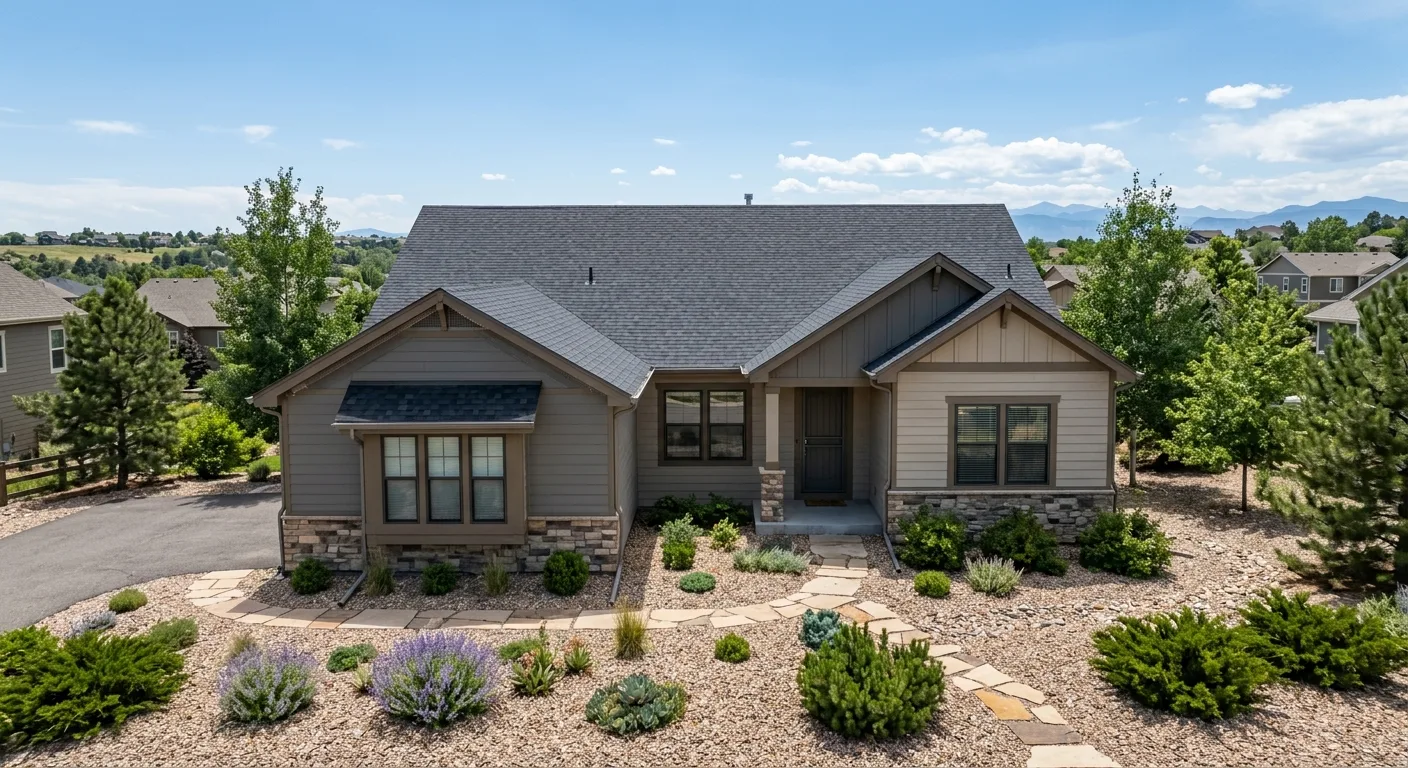
Defensible space is a managed buffer around your home that reduces fire’s ability to reach the structure. Colorado follows a three-zone framework from the Colorado State Forest Service:

Zone 0 (0–5 feet): The Home Ignition Zone

Most homes don’t catch fire from direct flame contact. They ignite from embers that land against the house. Zone 0 eliminates those ignition points: no wood mulch against the foundation, no stacked firewood against exterior walls, no dead material in gutters or on decks, no gaps in soffits or vents where embers enter.

Zone 1 (5–30 feet): Lean, Clean, and Green

Remove the fuel that lets fire climb from the ground into your trees and onto your house. Trees limbed up 6–10 feet, shrubs thinned, dead snags removed, downed logs cleared. In Grand County’s lodgepole forests, this often means dealing with extensive beetle-kill standing timber — which is both an ember source and a structural hazard when it falls.

The 30-foot Zone 1 boundary isn’t arbitrary. It’s the benchmark the IBHS Wildfire Prepared Home program uses — and it’s the distance insurers reference when evaluating whether your mitigation work is credible.

Zone 2 (30–100 feet): Reduce and Space

Thin trees and shrubs in the outer zone to interrupt fuel continuity. On Grand County’s frequent slopes, extend Zone 1 treatment further downhill — fire travels significantly faster uphill.

For vacation and second-home owners, Zones 0 and 1 are the highest priority. These zones have the greatest impact on structure survival and are what an insurance adjuster or attorney will want to see documented first.


The Documentation Is the Point

Here’s what sets professional mitigation apart from a homeowner doing their own yard work: the paper trail.

When CEC completes work on your property, we produce:

  • A written scope of work describing every treatment performed in every zone
  • Zone-by-zone photographs — before and after — showing exactly what was done
  • A dated, signed record you can file with your insurer, attach to a risk score appeal, or produce in a claims dispute

Insurance companies are sophisticated adversaries. When a claim comes in after a fire, adjusters look for reasons to reduce or deny payouts. If a carrier can point to a policy clause about “reasonable mitigation” and you have no professional documentation of what you did, you’re at a disadvantage. If you have a CEC report showing dated, zone-specific treatment with photographs, you have standing.

This is especially critical for Grand County absentee owners. If you live out of state and your property burns while you’re not there, the insurer’s first question may be: “What did you do to protect this property?” Your answer needs to be documented — not verbal.


HB25-1182: Your Legal Lever Against Your Insurer

Colorado’s HB25-1182, signed in May 2025, fundamentally changed the relationship between homeowners and insurance companies on wildfire risk. The law requires:

1. Disclosure: Your insurer must tell you your wildfire risk score — the algorithmic number they’ve been using to price or drop your policy without showing you.

2. Discounts: If you’ve done documented mitigation and the insurer hasn’t already accounted for it in their model, they must provide a premium discount.

3. Appeal rights: You can formally challenge a risk score you believe is inaccurate.

CEC’s documentation is what makes all three of these levers work. Without a professional mitigation record, you can ask for a discount — but you can’t prove you deserve one. With our report in hand, you have a formal basis to demand the credit the law now requires.

For Grand County owners who’ve watched premiums climb since East Troublesome, this is real money. A discount earned through documented mitigation can recover a meaningful portion of your mitigation costs over a few years — and that’s before the fire protection value.


The IBHS Wildfire Prepared Home: Third-Party Certification Insurers Recognize

For Grand County property owners — especially absentee owners dealing with extra insurer scrutiny — the IBHS Wildfire Prepared Home designation is the strongest certification available.

This is the gold-standard third-party program that insurance carriers formally recognize. It comes in two levels:

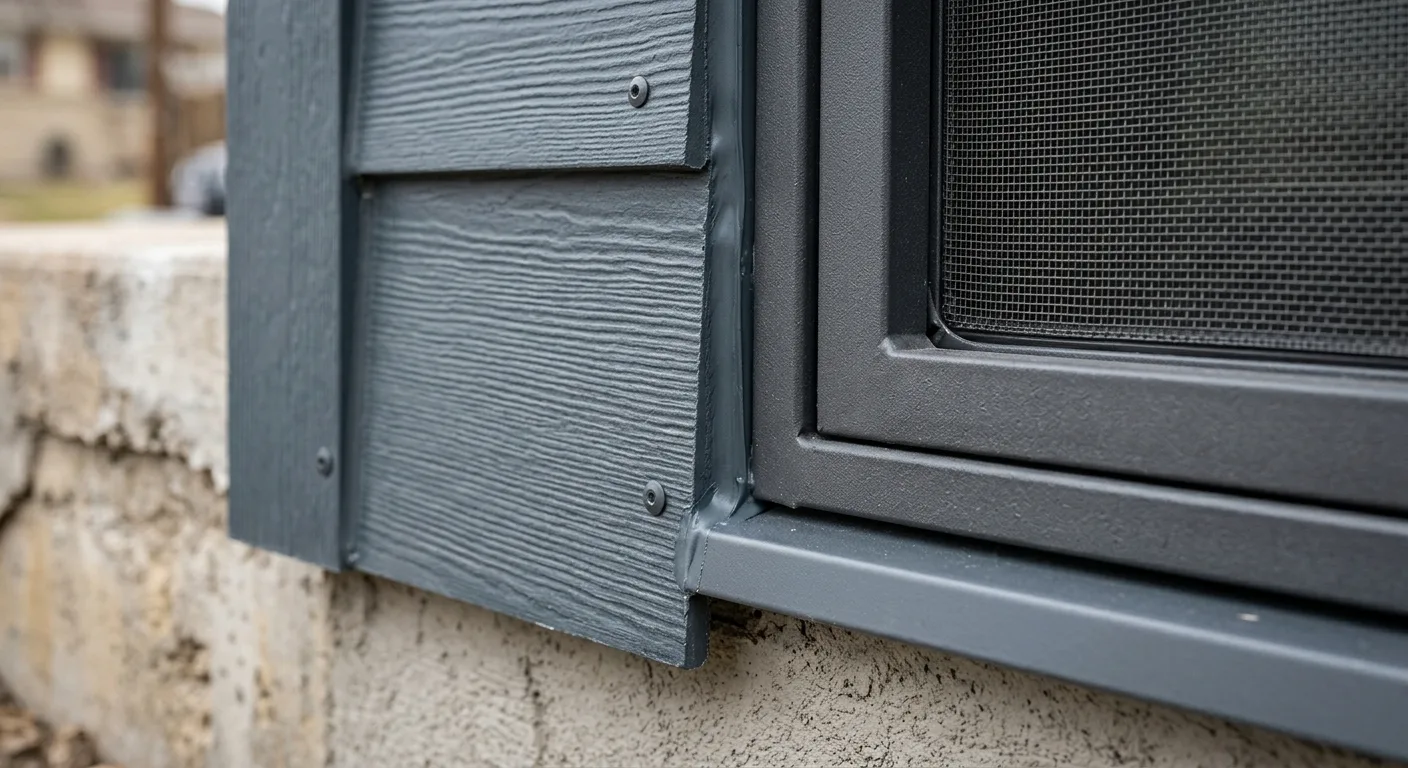
  • Base designation: Zone 0 fully noncombustible, Zone 1 lean/clean/green to 30 feet, Class A fire-rated roof, noncombustible gutters, 6-inch noncombustible wall base, ember-resistant vents, decks cleared or enclosed.
  • Plus designation: adds fire-resistant windows and noncombustible exterior doors.

The homeowner completes the required mitigations, submits photos and a fee, a third-party evaluator reviews the submission, and IBHS issues a certificate renewed annually over a three-year period.

CEC’s Zone 0 and Zone 1 work is exactly what IBHS evaluates. We can structure the documentation of our work to align with the IBHS submission process. For a Grand County vacation homeowner navigating a difficult post-East Troublesome insurance environment, an IBHS designation paired with a HB25-1182 discount request is the most credible case you can put in front of a carrier.


What Happens If You Don’t Have Insurance — or Lose It

The stakes here are not abstract. If your insurance carrier non-renews your policy and you can’t find replacement coverage, your options narrow fast:

  • Colorado FAIR Plan: The state’s insurer of last resort. It’s expensive, provides bare-bones coverage, and is not a real substitute for a standard homeowner’s policy.
  • Mortgage jeopardy: Most mortgages require active insurance coverage. If you lose coverage and can’t replace it, your lender can force-place coverage — at your expense, on their terms — or begin foreclosure proceedings.
  • Forced sale: Owners who can’t maintain insurance and can’t meet lender requirements sometimes face having to sell, often at distressed prices in a market where buyers already factor wildfire risk into offers.

Documented mitigation doesn’t guarantee you keep your coverage. But it gives you the strongest possible argument to make — to your current carrier, to a new one, and to a judge if it comes to that.


Cost of Fire Mitigation in Grand County Colorado

Professional wildfire mitigation in Grand County typically ranges from $3,000 to $15,000, depending on:

  • Lot size and terrain: Grand County properties vary from small cabin lots in Grand Lake to larger rural parcels outside Granby and Fraser. Larger and steeper lots cost more to treat.
  • Beetle kill and standing dead timber: Properties with significant standing dead lodgepole require more intensive treatment — dead snags near the house are a serious ember source and structural risk.
  • Forest density: Mature lodgepole stands with dense understory require more clearing than younger or more open forests.
  • Debris removal: Slash chipping and haul-away adds cost but is essential — leaving cut material on-site creates new fuel loads.
  • Access: Remote properties on unpaved roads may require additional logistics.

Because of the high proportion of beetle-killed timber in Grand County forests, many properties require more intensive initial treatment than comparable lots elsewhere. CEC provides detailed written estimates and can work with absentee owners to schedule work without requiring on-site presence.


Financial Help: Tax Credit + Local Programs

Colorado State Income Tax Credit

Grand County WUI property owners — including vacation and second-home owners who pay Colorado income taxes — may qualify for a Colorado state income tax credit of up to $2,500 on documented out-of-pocket wildfire mitigation costs. This applies to professional defensible space work.

Important: the tax credit cannot be stacked with grant funding on the same dollars. If a grant covers part of your project, the credit applies to your remaining out-of-pocket costs.

Grand County Wildfire Council — Cost Share Program

The Grand County Wildfire Council (GCWC) operates a Hazard Ignition Zone (HIZ) Cost Share Program for property owners in the county. This program provides cost-share funding toward qualified mitigation treatments, with a home assessment required as a prerequisite. Visit bewildfireready.org for current program details.

CSFS FRWRM Grants — Community Level

The Colorado State Forest Service Forest Restoration & Wildfire Risk Mitigation (FRWRM) grants go to communities and organizations — HOAs, fire districts, and local government entities — not individual homeowners. If your neighborhood has an active HOA or fire district, ask whether they’re participating in a GCWC- or CSFS-funded community mitigation project. Community projects can sometimes cover work on individual properties within the project area.


What to Expect from Colorado Estate Care

Many Grand County property owners are not full-time local residents. Our process is built around that reality.

We begin with a property assessment — scheduled to work with your availability or coordinated through a local property manager. We develop a written scope, provide a detailed estimate, and schedule work around your calendar. After treatment, we provide complete documentation: written scope reports, zone-by-zone photographs, before-and-after records suitable for insurance submissions, HB25-1182 risk score appeals, and GCWC program verification.

Our crews are trained in Colorado State Forest Service defensible space guidelines and understand Grand County’s specific vegetation conditions — lodgepole management, dead snag prioritization, managing the understory regrowth that follows beetle-kill mortality. We work across the Fraser Valley, Granby, Grand Lake, Tabernash, Winter Park, and surrounding rural areas.

Reach us at team@coloradoestatecare.com or at coloradoestatecare.com.


Frequently Asked Questions

My property is a vacation home. Do I still need defensible space?

Yes — and the documentation matters more for you, not less. Vacation properties are often empty during fire events, which means no one is present to take action. They’re also subject to extra insurer scrutiny because absentee owners are harder to evaluate. A professional mitigation report from CEC creates a documented record that your property has been maintained — something you can put in front of an insurance carrier regardless of whether you were there when fire arrived.

What happened to homes with defensible space during the East Troublesome Fire?

Post-fire assessments showed meaningful differences in survival rates based on mitigation status. While no mitigation guarantees structure survival in extreme fire conditions — East Troublesome exhibited extraordinary behavior — homes with treated defensible space and hardened structures consistently outperformed untreated properties.

What happens if my house burns and I don’t have documentation of mitigation?

Without documentation, you are at a serious disadvantage in a claims dispute. Insurance companies have cited “insufficient documentation” of mitigation efforts as grounds for reducing or disputing wildfire claims. If the insurer argues you didn’t take reasonable protective steps, a verbal account of what you did yourself carries little legal weight. A professional report, dated photographs, and a signed scope of work are the evidence that changes the conversation.

How does beetle-kill affect my mitigation needs?

Standing dead lodgepole pine is one of the most significant wildfire hazards in Grand County. Dead trees are highly flammable, produce large volumes of embers, and can fall onto structures. Removing dead snags within and adjacent to defensible space zones is a high priority on most Grand County properties.

Can Colorado Estate Care coordinate with my property manager?

Yes. We work regularly with property managers for absentee owners. We can schedule assessments and treatment through a property manager and deliver all documentation directly to the property owner.

Are there any county-specific defensible space requirements in Grand County?

Grand County fire districts and the Grand County Wildfire Council have established mitigation guidelines aligned with Colorado State Forest Service standards. Some districts have local ordinances that apply to properties in designated WUI zones. We help property owners understand and meet applicable local requirements.


Protect Your Grand County Property — and Your Legal Standing

The East Troublesome Fire changed how Grand County thinks about wildfire. But the bigger battle for many homeowners is now with their insurance companies — rising premiums, non-renewals, opaque risk scores, and claims that get disputed on technicalities.

HB25-1182 gives you rights you didn’t have before. CEC’s documentation gives you the evidence to use them.
Get your free estimate with our cost calculator — and take the most important step you can toward protecting your Grand County investment, your insurance coverage, and your legal standing.