
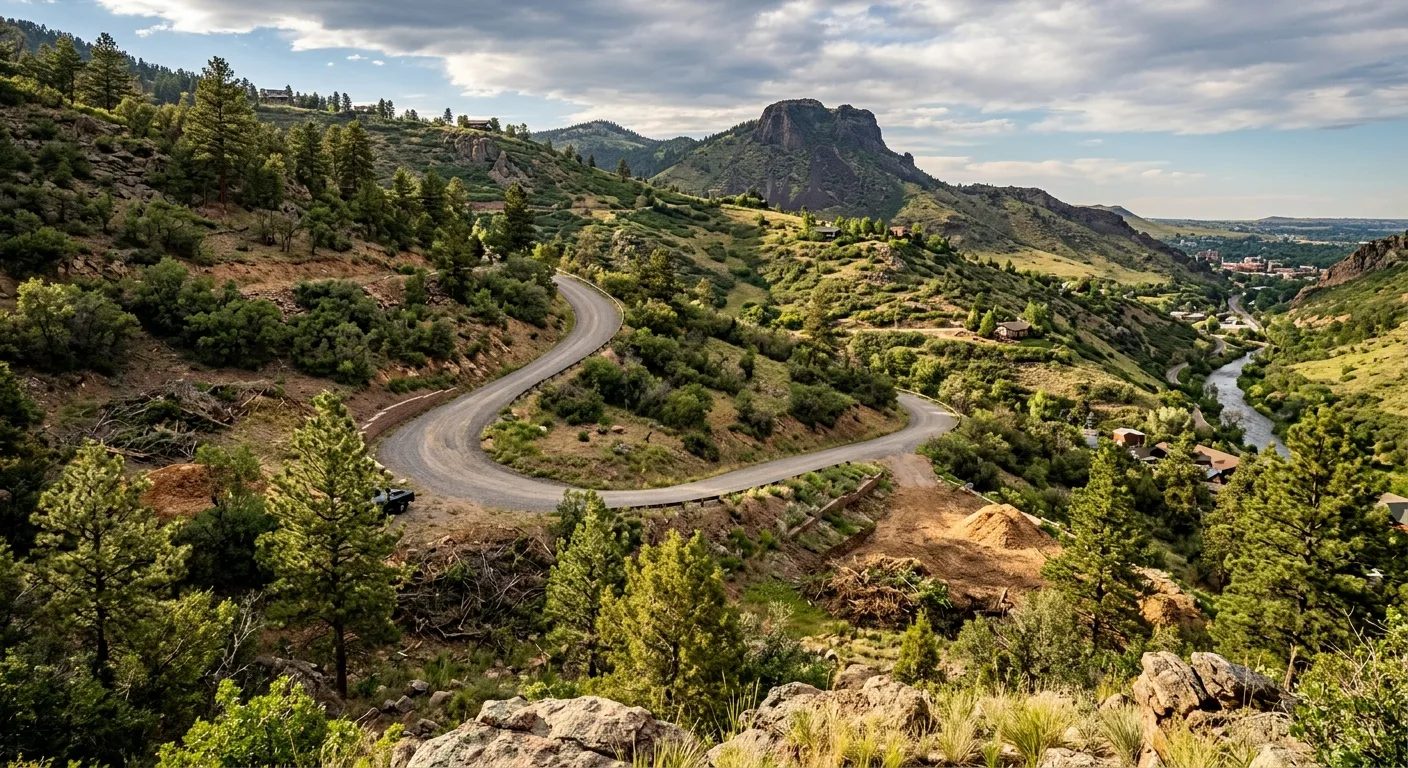
Golden's Wildfire Corridor Demands More Than Good Intentions
Call directly(303) 304-9997Your estimate starts here.
We'll follow up within one business day. No pressure, no upsells.
Our Services in Golden
Fire mitigation in Golden, CO isn't a precaution. It's a legal and financial strategy for every homeowner on the Jefferson County foothills. The slopes climbing from Clear Creek Canyon toward South Table Mountain carry Ponderosa pine and Gambel oak fuel loads that fire behavior analysts rank among the most volatile on the Front Range. Your insurer knows that. They've run your address through a risk model you've never seen, and the number it produced is already influencing your premium or your renewability. Documented fire mitigation changes that number, and it gives you legal standing to challenge it under Colorado's new HB25-1182 framework. Call Joe Slota at (303) 304-9997 before fire season advances and scheduling fills.
Complete Estate Care operates out of Denver and covers Golden and the surrounding Jefferson County foothills on a regular basis. Joe is personally familiar with the terrain between Golden and Morrison, the wind-driven fire corridors that funnel through Clear Creek Canyon, and the HOA mitigation requirements that vary block by block in foothills neighborhoods. Golden homeowners typically have 1 to 5 acres of tree and shrub cover that qualifies for defensible space treatment, and many of those properties are within the wildland-urban interface zones where insurance non-renewals are hitting hardest right now.

home hardening work — project example in Denver, CO
Why Golden Properties Are on the Insurance Industry's Watch List
Colorado home insurance premiums rose 57.9% between 2018 and 2023. Non-renewals are up 77% statewide. Insurance Commissioner Michael Conway has publicly acknowledged that communities like Evergreen and Conifer are seeing homeowners struggle to find any standard coverage at all. Golden sits in the same Jefferson County corridor, and so does the Highway 285 foothills community of Conifer further southwest. In February 2025, CBS News reported on Steve and Jen Hoogendoorn, an Evergreen couple who spent years doing everything right: steel roof, concrete decking, 300 feet of maintained defensible space, a community mitigation program their own fire department rated A-plus. Farmers Insurance non-renewed them anyway. No inspector visited the property. No one evaluated the work they'd done. The insurer relied entirely on an algorithmic risk score tied to geography. If you're in Golden and you think good intentions protect you, that story says otherwise.
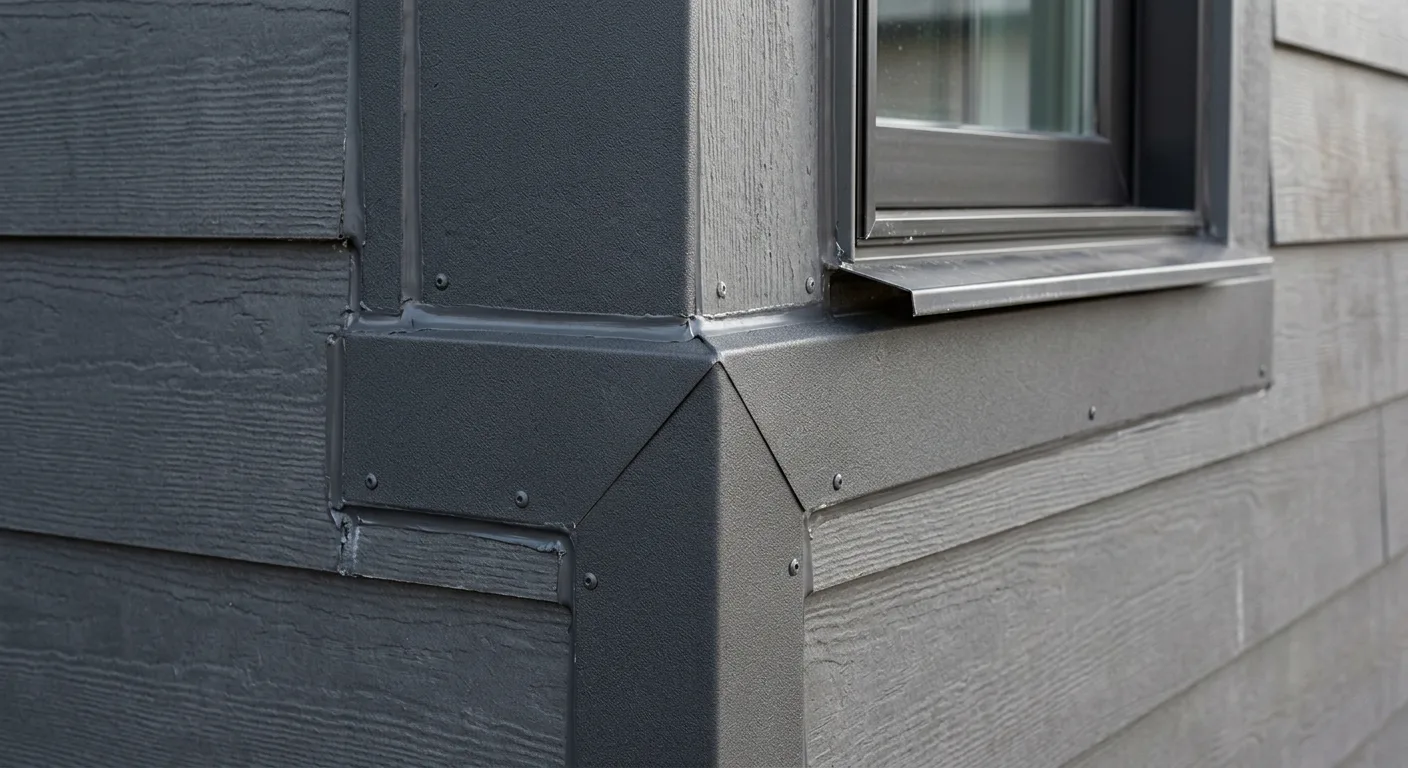
home hardening work — project example in Denver, CO
Your Documentation Is Your Legal Armor Against Your Insurer
Every cleared branch, every removed Gambel oak cluster, every gravel-replaced mulch bed around your foundation needs to be photographed, dated, and formatted into a record that survives a claim dispute. That's not paperwork busywork. That's your evidence. When your insurer delays a payout, disputes the cause, or attributes damage to 'deferred maintenance,' that paper trail is what your attorney works with. Under HB25-1182, Colorado insurers must now disclose your wildfire risk score, provide discounts for documented mitigation actions not already factored into their model, and allow you to appeal. You can't use that law without documentation. Joe doesn't just clear your property. He delivers a formatted record built to satisfy HB25-1182 requirements and to hold up if your claim gets contested. We don't just protect your home from fire. We protect you from your insurance company.

home hardening work — project example in Denver, CO
Jefferson County's Three-Zone Framework and What It Means for Your Golden Property
Jefferson County uses a three-zone defensible space framework that aligns with Colorado State Forest Service guidelines. Zone 0 covers the 0 to 5 feet directly around your structure: this is the Home Ignition Zone, where ember collection during a wind-driven fire is the primary ignition risk. Combustible mulch, dead plant debris, wood piles, and cluttered eave soffits all need to go. Zone 1 covers 5 to 30 feet: ladder fuels get removed, tree crowns get spaced, shrub layers get thinned. Zone 2 covers 30 to 100 feet: fuel continuity gets broken so a surface fire can't escalate into a crown fire that reaches the structure. The Mountain Lion Fire area is a standing concern for Jefferson County emergency managers, and the fuel conditions in Golden's surrounding foothills haven't improved on their own. Home hardening work on vents, eaves, and siding complements the defensible space treatment and closes the vulnerabilities that zones alone can't address. On Golden foothills homes, the attached garage is one of the largest ember-exposed openings, which is why a fire-rated garage door upgrade often belongs in the same hardening pass.
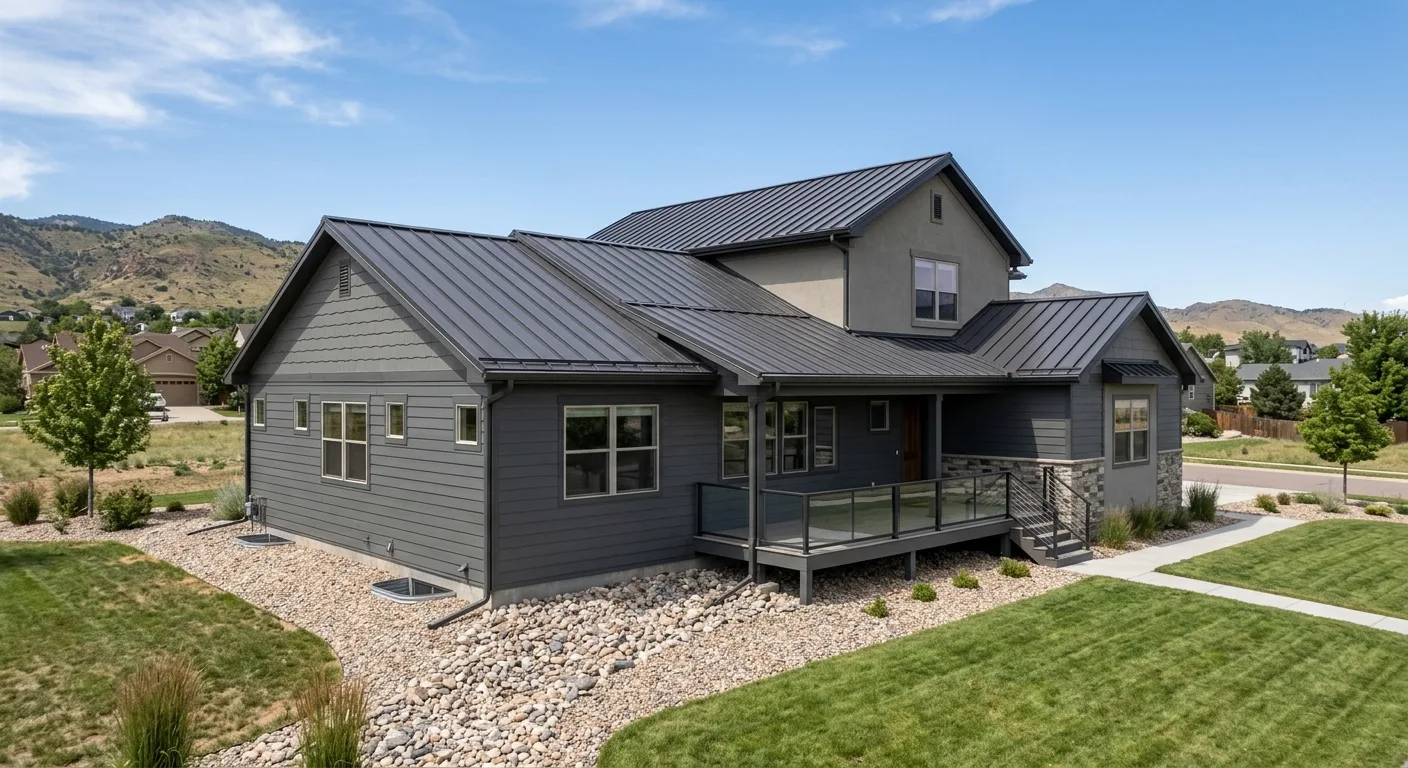
home hardening work — project example in Denver, CO
What the IBHS Wildfire Prepared Home Designation Does for Golden Homeowners
Once your defensible space is properly established and documented, you may qualify for IBHS Wildfire Prepared Home designation. Two levels exist: Wildfire Prepared Home and Wildfire Prepared Home Plus. The Plus designation requires additional home hardening measures. This is the gold-standard third-party certification that insurance carriers formally recognize. Some carriers have begun factoring it into underwriting decisions. It's not a guarantee your premium drops, but it's the strongest credible signal a homeowner can send to an insurer that the property has been treated to a defensible standard. The process requires completing required mitigation work, having it verified, and maintaining documentation. Joe coordinates that entire sequence for Golden clients and delivers the records formatted for both insurer submission and HB25-1182 appeals.
home hardening work — project example in Denver, CO
The Colorado Wildfire Mitigation Tax Credit and What Else Helps Offset Costs
Colorado offers a state income tax credit for qualifying wildfire mitigation expenses. The credit covers a portion of costs for defensible space work and certain home hardening upgrades on primary residences in high-risk areas. Jefferson County, including Golden, qualifies. The documentation Joe delivers after treatment is the same documentation you submit to claim the credit. You're not managing a separate paperwork process. One treatment, one document package, multiple uses: insurer submission, HB25-1182 appeal support, tax credit claim, and a pre-fire property record for any future legal or insurance dispute. Use our cost calculator to get a rough sense of project scope before your assessment. Every job is different. Contact Complete Estate Care for an accurate estimate.
home hardening work — project example in Denver, CO
What Golden Homeowners Can Expect When Joe Shows Up
Joe conducts every assessment himself. No subcontractors handle the initial evaluation. He walks the property, identifies the specific fuel loads present (Gambel oak regrowth in Golden behaves differently than Ponderosa-dominated lots further up the foothills), notes the wind exposure, checks ember entry points on the structure, and builds a treatment plan that reflects what your property actually is. After the work is done, you get documentation formatted for HB25-1182 compliance, insurer submission, and CSFS alignment. Joe also offers annual maintenance visits because defensible space isn't permanent. Gambel oak resprouts aggressively after cutting. A property treated in 2024 that doesn't get a follow-up visit starts losing its compliance status within a season or two. Read more about Colorado's wildfire history to understand why maintenance timelines matter here specifically.
Golden Fire Mitigation FAQs
How does Clear Creek Canyon wind affect wildfire risk for Golden homes specifically? +
Does Jefferson County have requirements for defensible space that Golden homeowners must follow? +
What fire hazard zone is Golden, CO actually in, and how do I find out my property's classification? +
How long does a fire mitigation treatment take for a typical Golden property? +
If I'm already on the Colorado FAIR Plan, can fire mitigation in Golden help me get back to standard market coverage? +
Schedule Your Golden Property Assessment Before Fire Season Moves the Timeline
Golden's fire season doesn't wait for a convenient scheduling window. If your property is in the Jefferson County foothills and you haven't had a current mitigation treatment with documentation, you're exposed on two fronts: to the fire itself and to an insurer who can non-renew you based on geography alone. Call Joe Slota directly at (303) 304-9997 to schedule a free site assessment. He serves Golden and surrounding Jefferson County communities on a regular basis. Spots during peak pre-season scheduling fill fast, and late-season work doesn't give your documentation time to process before renewal deadlines hit.
Or send us your info