

Family-owned · Denver Local
Steamboat Springs Properties Are Burning Through Insurance Coverage
Call directly(303) 304-9997Instant Quote
Your estimate starts here.
We'll follow up within one business day. No pressure, no upsells.
Overview
Our Services in Steamboat Springs
Wildfire mitigation in Steamboat Springs and across Routt County isn't a landscaping conversation anymore. It's a financial survival question, and the numbers behind it are brutal: Colorado home insurance premiums rose 57.9% between 2018 and 2023, and non-renewals climbed 77% statewide over that same period. If your Routt County property sits in beetle-affected lodgepole pine country, near Routt National Forest, or on a slope above the Yampa Valley, you are in the crosshairs of both wildfire and the carriers who've quietly repriced your risk without telling you. Joe Slota and Complete Estate Care provide professional home hardening and defensible space services built specifically for Colorado's mountain fire environment, and the documentation record those services produce gives you legal standing when your insurer comes for your policy. Call Joe directly at (303) 304-9997 before your next renewal.
Complete Estate Care serves Routt County property owners in Steamboat Springs, Hayden, Oak Creek, Yampa, and the surrounding Yampa Valley. Mountain properties managed from a distance carry extra insurance scrutiny, Joe knows that dynamic, and every assessment he delivers accounts for it. Routt County's active fire environment, its beetle-kill fuel load, and the specific terrain around Steamboat mean that mitigation work here is not the same job it is on the Front Range. Joe has studied Routt National Forest fire behavior, is familiar with the Routt County Wildfire Mitigation Council's community-level planning efforts, and can align your parcel-level treatment with the Firewise USA-recognized standards active in the Steamboat Springs area.

home hardening work — project example in Denver, CO
What Two Decades of Beetle Kill Actually Mean for Your Steamboat Property
Mountain pine beetle mortality has fundamentally changed Routt County's fire landscape, and most property owners don't fully understand what that means for their exposure. Standing dead lodgepole pine is widespread across Routt National Forest and the private lands adjacent to it. These trees don't burn the way living forest burns. Dead lodgepole is highly flammable, dries completely through the sapwood, and produces enormous ember casts when it ignites. Fire moving through beetle-affected stands can travel faster, throw embers further, and ignite structures well ahead of the actual flame front. For a vacation home or ranch property outside Steamboat Springs, that ember travel distance is the threat most people don't see coming. Managing dead standing timber within your Zone 1 defensible space, snag removal, and crown separation are standard components of every Complete Estate Care assessment in Routt County. For more on Colorado's broader fire history and what it means for property owners, the Colorado wildfire history resource is worth reading before your assessment.
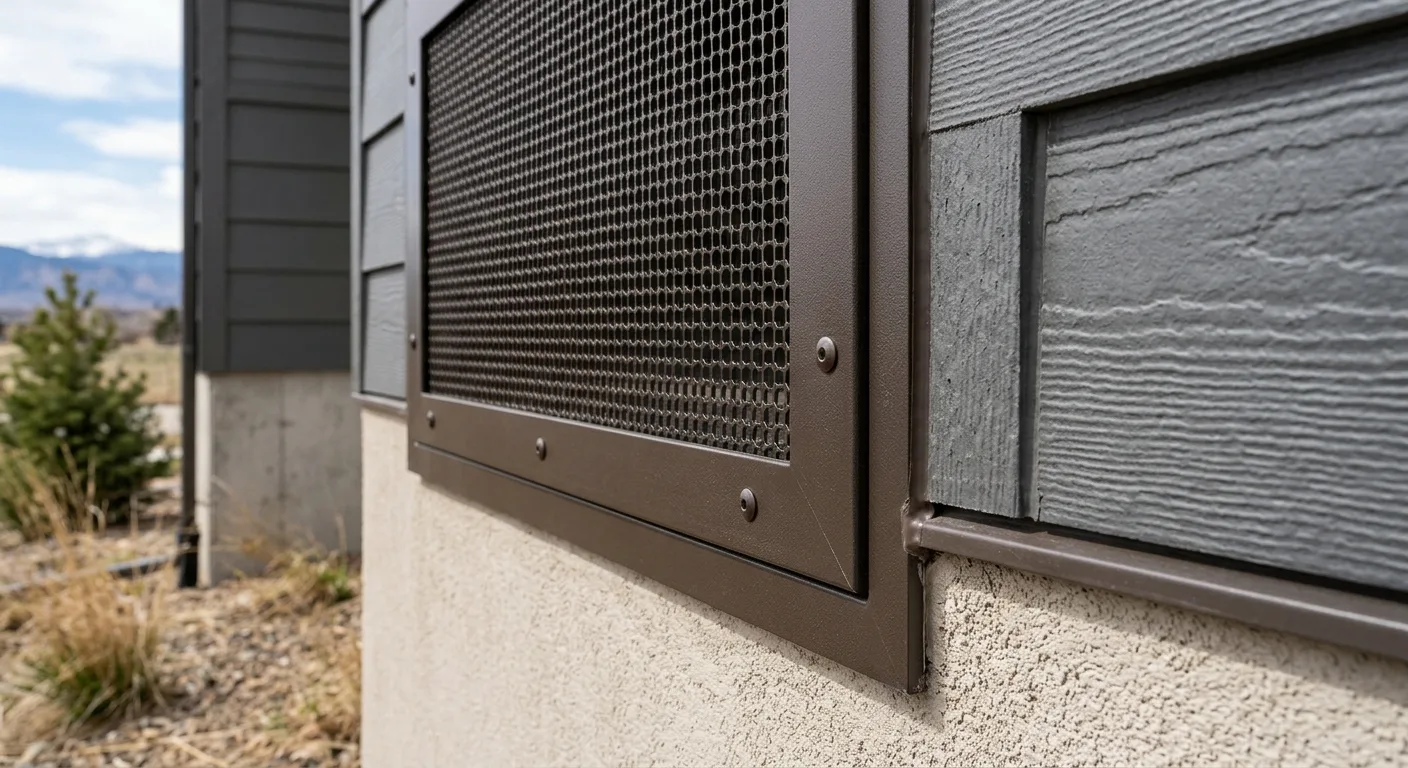
home hardening work — project example in Denver, CO
Three-Zone Defensible Space in Routt County: What the Work Actually Involves
Colorado requires three managed zones around a structure. Zone 1 extends 0 to 30 feet from the foundation. Zone 2 runs from 30 to 100 feet. Zone 3 covers the extended transition to wildland. Each zone has specific treatment standards, and each zone gets documented separately when Complete Estate Care completes work on your Steamboat Springs property. Zone 1 work removes the fuel ladder that allows fire to climb from ground vegetation into tree canopies and onto your structure. Trees get limbed up 6 to 10 feet, shrubs are thinned, dead snags are removed, and downed wood gets cleared. No tree crowns should touch adjacent crowns. Zone 2 thins the overall fuel load, reduces continuity so fire slows before reaching Zone 1. Zone 3 addresses the broader transition. Routt County's active forest environment means vegetation regrows, conditions change, and annual maintenance isn't optional if you want to maintain your documentation record. A one-time treatment fades. Complete Estate Care offers ongoing maintenance programs designed for exactly that. See what defensible space work involves on our full service page.

home hardening work — project example in Denver, CO
HB25-1182 and the Insurance Rights Steamboat Springs Property Owners Have Right Now
Colorado's HB25-1182 changed the legal relationship between homeowners and their insurers in ways most people still haven't used to their advantage. Three rights matter most. First, your insurer must disclose your wildfire risk score, the number they've been using to price or drop your policy without telling you what it was. Second, if you've completed documented mitigation and the carrier hasn't credited it in their model, they must provide a premium discount. Third, you can formally appeal a risk score you believe doesn't reflect the actual condition of your property. None of those rights are self-executing. They require documentation. Without a professional paper trail, including written scope reports, zone-by-zone photographs, and dated records of work completed, you have no standing to trigger any of them. For Routt County vacation and second-home owners who face extra scrutiny because they're not on-site year-round, this documentation isn't a bonus feature of the work. It's the point. Complete Estate Care produces HB25-1182-compliant documentation on every job.
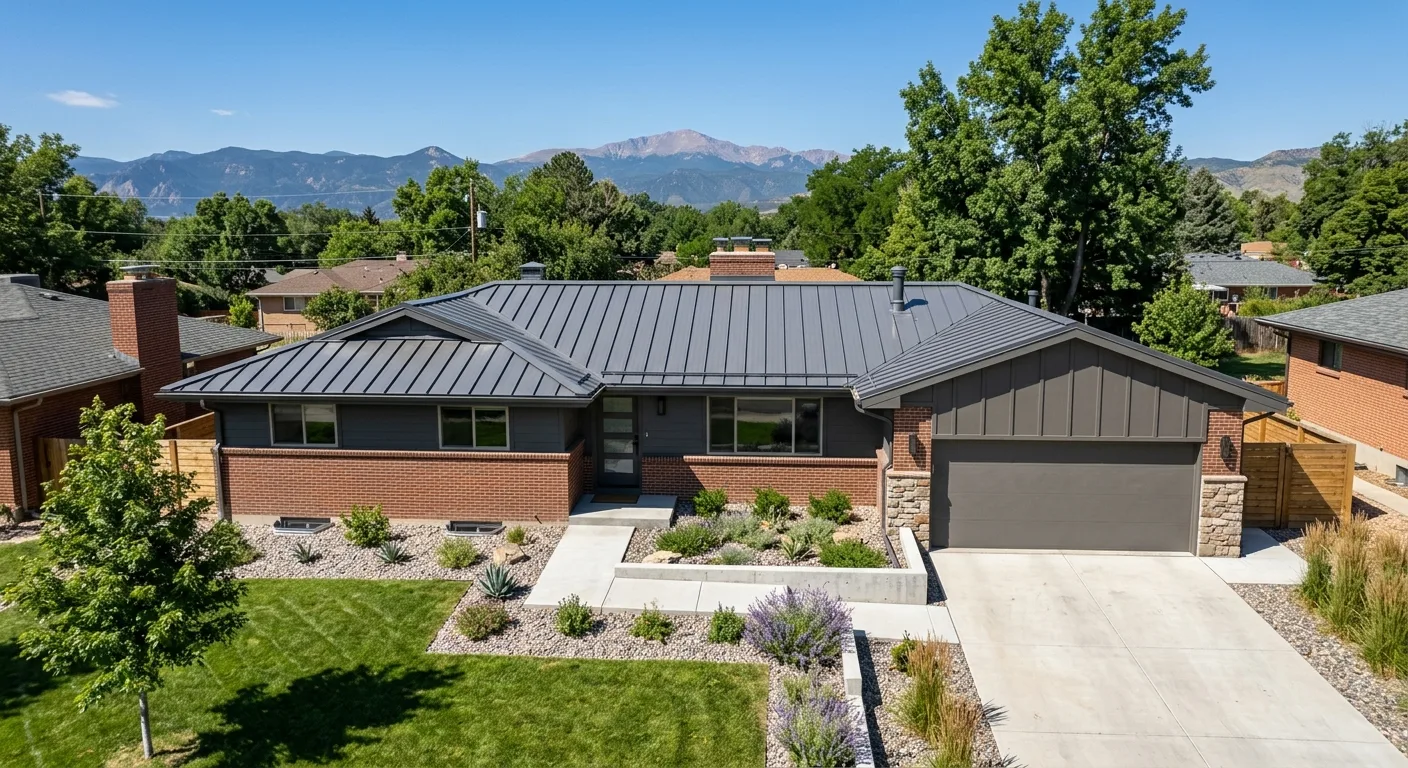
home hardening work — project example in Denver, CO
IBHS Wildfire Prepared Home Designation for Routt County Properties
The IBHS Wildfire Prepared Home program is the gold-standard third-party certification that insurance carriers formally recognize. It has two levels, Prepared and Prepared Plus, each requiring specific structural hardening measures alongside defensible space. For a Routt County vacation property that represents years of investment, this designation is the most credible evidence you can put in front of a carrier. Carriers have legal teams. When a claim comes in after a fire, adjusters look for grounds to reduce or deny a payout. 'Insufficient documentation of mitigation efforts' is a documented tactic in wildfire claims disputes. The IBHS designation counters that tactic with third-party verification that a carrier can't easily dismiss. Complete Estate Care guides Steamboat Springs property owners through the assessment and documentation process required for IBHS certification. Combined with home hardening upgrades to vents, eaves, and exterior materials, it's the most complete defensible position available.
home hardening work — project example in Denver, CO
Cost, Tax Credits, and Local Assistance for Routt County Mitigation
Professional wildfire mitigation in Routt County typically ranges from $3,000 to $15,000 depending on parcel size, existing fuel load, beetle-kill density, slope, and how much structural hardening the property requires. Every job is different. Contact Complete Estate Care for an accurate estimate. Colorado's state income tax credit offsets a portion of mitigation costs for qualifying property owners. The Routt County Wildfire Mitigation Council is an active local organization that coordinates community-level planning and has administered cost-share programs. Contact the Council directly for current homeowner assistance eligibility. Colorado State Forest Service Forest Restoration and Wildfire Risk Mitigation grants operate at the community level, not individual parcels, but CEC is familiar with how community-level programs interact with parcel-level treatment and can help you understand what's available in your specific area. The cost calculator on our site provides a starting reference point, though no calculator replaces an on-site assessment.
home hardening work — project example in Denver, CO
What Complete Estate Care Delivers After the Work Is Done
The documentation package is what separates a professional mitigation job from a weekend cleanup. After treatment on your Steamboat Springs property, Complete Estate Care provides written scope reports for every zone, zone-by-zone photographs, records formatted for insurance carrier submissions, HB25-1182 risk score appeal support, and documentation suitable for Routt County Wildfire Mitigation Council program verification. These aren't afterthoughts. They're part of the service. If you're managing a Routt County property from Denver or from out of state, that file is what protects your investment when you're not there to advocate for yourself. Joe Slota does the work and produces the documentation. No subcontractors, no handoffs to someone who wasn't on-site. The person who signs the report is the person who did the assessment. For property owners also holding properties closer to the Front Range, we offer defensible space in Evergreen and wildfire mitigation in Golden under the same documentation standards.
Routt County Property Owners: What to Do Before Your Next Insurance Renewal
Three concrete steps every Steamboat Springs property owner should take before their next renewal.
Schedule an On-Site Assessment
Build the Documentation Record
Protection Cost Estimate
Protect Your Steamboat Springs Property Before the Next Fire Season
Routt County's fire risk doesn't pause between seasons. Beetle-kill fuel accumulates. Dead snags fall. Vegetation grows back. The window between now and the next active fire season is the time to get the work done and the documentation in place. Call Joe Slota directly at (303) 304-9997 or request an on-site assessment. Complete Estate Care serves Steamboat Springs, Hayden, Oak Creek, Yampa, and surrounding Routt County communities.
Call (303) 304-9997 Free · No obligation
Or send us your info
FAQ Common questions
Frequently Asked Questions
Answers below
How does absentee ownership affect wildfire mitigation requirements for a Steamboat Springs vacation property? +
Absentee ownership increases both fire risk and insurance vulnerability in Routt County. Insurers apply extra scrutiny to vacation properties because no one is on-site during a fire event to take action or document conditions. Professional mitigation with a complete written record is especially important for owners managing Steamboat Springs properties from Denver or out of state. The documentation file becomes your on-site advocate when you can't be there yourself.
Does beetle-kill timber on my Routt County property change what defensible space work costs? +
Yes, substantially. Properties with significant standing dead lodgepole pine require prioritized snag removal, which adds both labor and disposal cost compared to properties with living forest. Dead snags are both fire hazards and ember sources, and they can fall onto structures during wind events even without fire. Complete Estate Care accounts for beetle-kill density in every Routt County assessment. Expect costs to reflect the actual fuel load on your specific parcel rather than a regional average.
Can a Steamboat Springs property owner appeal a wildfire risk score under Colorado's HB25-1182? +
Yes. HB25-1182 gives Colorado homeowners the right to formally challenge a risk score they believe doesn't reflect their property's actual condition. To exercise that right effectively, you need professional documentation showing what mitigation work was completed, when, and in what zones. Without that paper trail, an appeal has no evidentiary weight. Complete Estate Care produces HB25-1182-compliant documentation specifically designed to support risk score challenges and premium discount requests.
Does Complete Estate Care coordinate with the Routt County Wildfire Mitigation Council? +
Joe Slota is familiar with the Routt County Wildfire Mitigation Council's community-level planning efforts and the Firewise USA-recognized neighborhoods active in the Steamboat Springs area. Community-level programs are valuable but they don't substitute for treatment on your specific parcel. Complete Estate Care's documentation can be formatted to align with Council program verification requirements where applicable. Contact the Council directly for current cost-share program eligibility.
What's the difference between a wildfire risk assessment and actual mitigation work for a Steamboat Springs property? +
An assessment identifies the conditions, the fuel load, the structure's vulnerabilities, the zone boundaries, and the priority treatments. Mitigation is the physical work that changes those conditions. Both produce documentation, but only completed treatment triggers your HB25-1182 rights to a premium discount. For Steamboat Springs properties, Joe Slota conducts the assessment and completes the treatment, so the report reflects what was actually done on your specific parcel by the person who assessed it.
How often does wildfire mitigation need to be maintained on a Routt County property near Steamboat Springs? +
Routt County's active forest environment means vegetation regrows and fuel conditions change faster than many owners expect. A one-time treatment doesn't maintain itself. Annual maintenance is the standard recommendation for properties in Routt National Forest adjacent areas, and it's what keeps your documentation record current. An insurer looking at a five-year-old treatment record has more room to argue conditions have changed than one looking at last season's report.