

Family-owned · Denver Local
Mold Remediation Services in Colorado, Fixed at the Source and Documented for Your Insurer
Call directly(303) 304-9997Instant Quote
Your estimate starts here.
We'll follow up within one business day. No pressure, no upsells.
Overview
Why Choose Complete Estate Care for Mold Remediation Services in Colorado, Fixed at the Source and Documented for Your Insurer
Mold remediation services exist because mold is a symptom, not the disease: you have a moisture source somewhere, and until it's found and stopped, wiping the visible growth off the wall just resets the clock. Complete Estate Care finds the water first, corrects the source, then contains and removes the mold to an industry-standard scope your insurer can follow. Joe Slota already produces HB25-1182-grade documentation for wildfire mitigation and fire-damage claims along the Front Range, so a mold job gets the same clean-scope, moisture-mapped paper trail instead of a franchise crew that sprays bleach and leaves. Complete Estate Care is a Division of Complete Estate Care LTD, a licensed general contractor, and Joe walks every assessment himself. Call (303) 304-9997 to get an assessment on the calendar.
The scope of a mold job depends entirely on where the water is coming from and how long it's been feeding the growth. A slow supply-line drip behind a vanity is a different job than a finished basement in a Front Range home that took snowmelt intrusion every spring for three winters before anyone noticed. What drives the work: the moisture source and whether it can be stopped, how far the growth spread through porous materials like drywall and carpet pad, whether it reached the HVAC and moved spores through the house, and whether the affected framing can be cleaned in place or has to come out. Every mold problem is different. Contact Complete Estate Care for an assessment that starts with a moisture reading, not a guess over the phone.
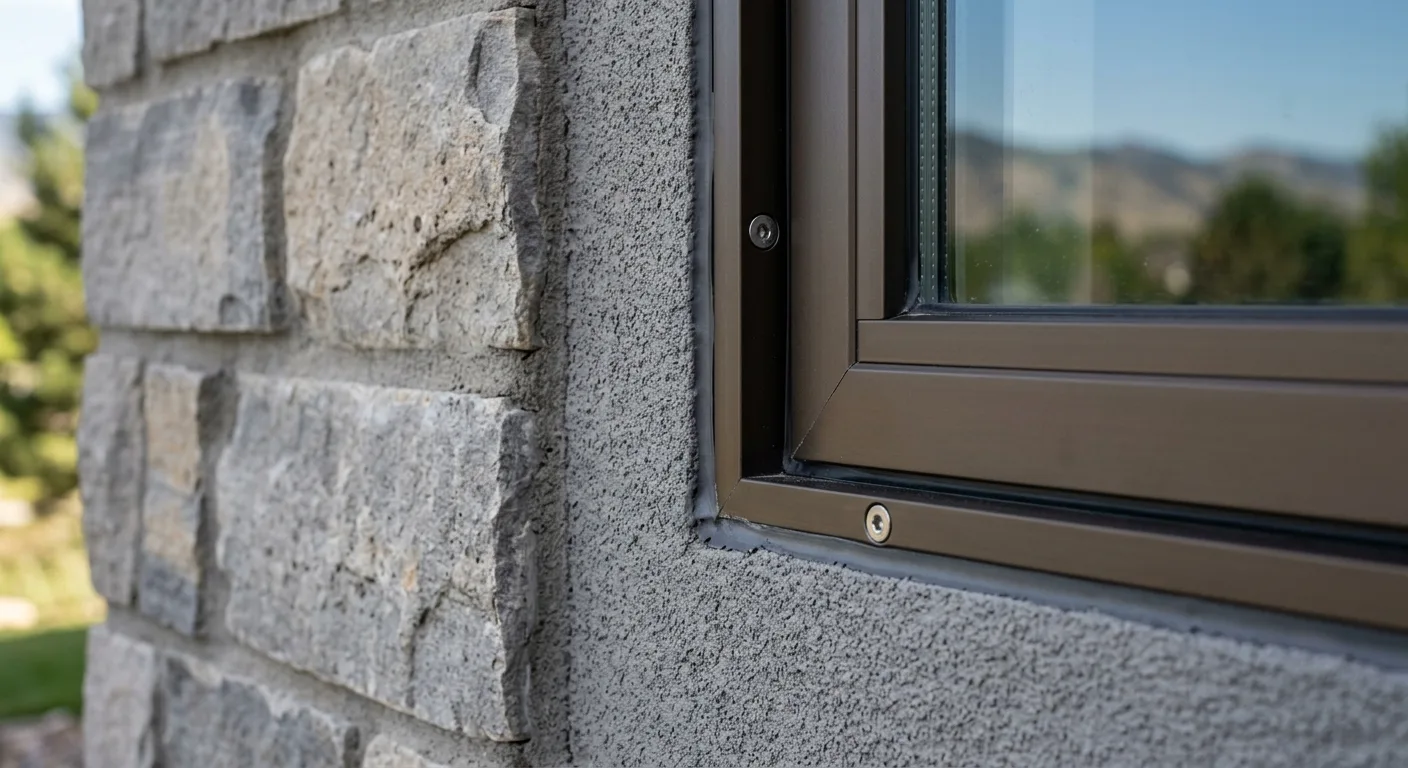
mold remediation services, moisture source assessment in a Colorado home
What Mold Remediation Services Actually Involve
Mold remediation services are the full sequence of finding and stopping the moisture source, containing the affected area so spores don't spread during the work, filtering the air, removing porous materials that can't be salvaged, cleaning what can, and verifying the space is dry and clean before it's closed back up. It is not spraying bleach on a wall. The order matters: the moisture source gets corrected first, because remediating around an active leak guarantees the mold comes back and the second job costs more than the first.
Why the documentation decides the claim
The reason most Colorado homeowners fight their insurer over mold isn't the mold. It's proving where the water came from and when. Carriers cover mold that results from a sudden covered event, like a burst pipe or fire-suppression water, and they resist mold they can call long-term neglect. After years of writing HB25-1182 mitigation reports underwriters actually accept, Joe has learned that clean, moisture-mapped documentation is what separates a paid claim from a denied one. We photograph, moisture-map, and scope every affected area before demolition starts, so the adjuster can see exactly what happened and why each line item exists.
When mold remediation is the wrong call for you
Don't call a remediation crew for a patch of surface mildew on bathroom grout or a window sill smaller than about ten square feet. That is a cleaning task, not a remediation project. Wipe it with a household cleaner, run the bath fan, and fix the humidity. The EPA's own guidance says homeowners can handle mold under roughly ten square feet themselves. If the growth keeps coming back after you clean it, that's the tell that you have a hidden moisture source, and that is when a real assessment earns its cost. We'll tell you straight which situation you're in.

Mold Removal Services: The Six-Step Sequence
Mold removal services run in a specific order for a reason. Skipping the moisture correction or the containment is how the problem comes back or spreads. Here's the sequence we follow on every job.
Step 2: Containment and negative air
Step 3: HEPA filtration and air scrubbing
Step 4: Porous vs non-porous material handling
Step 5: Cleaning and structural drying
Step 6: Post-remediation verification and rebuild
moisture-mapped mold documentation for a Colorado insurance claim
Black Mold Removal: What the Color Actually Tells You
Black mold removal is where the fear and the marketing collide, so here's the plain version. "Black mold" usually refers to Stachybotrys chartarum, a greenish-black mold that grows on cellulose-rich materials like drywall and wood that have stayed wet for days or longer. The color alone doesn't tell you the species, and the species matters less than one fact: any mold growing indoors on a wet surface needs to be removed and the water stopped. The remediation process is the same regardless of color.
"People call terrified about black mold, and the honest answer is the removal process doesn't change based on the color. What changes the job is how wet the material is and how long it's been that way. Stop the water, contain the area, remove what can't be cleaned. That's the work."
What we don't do is upsell a homeowner into a panic-priced "black mold" package. We scope the job by the size of the affected area and the moisture source, the two things that actually drive cost and difficulty. Surface mildew and mold on grout or a window frame is a cleaning task. Growth that has spread into drywall and framing behind a chronically wet wall is a remediation project. We tell you which one you have. Ready for a straight assessment. Call (303) 304-9997 and Joe will walk the property himself.
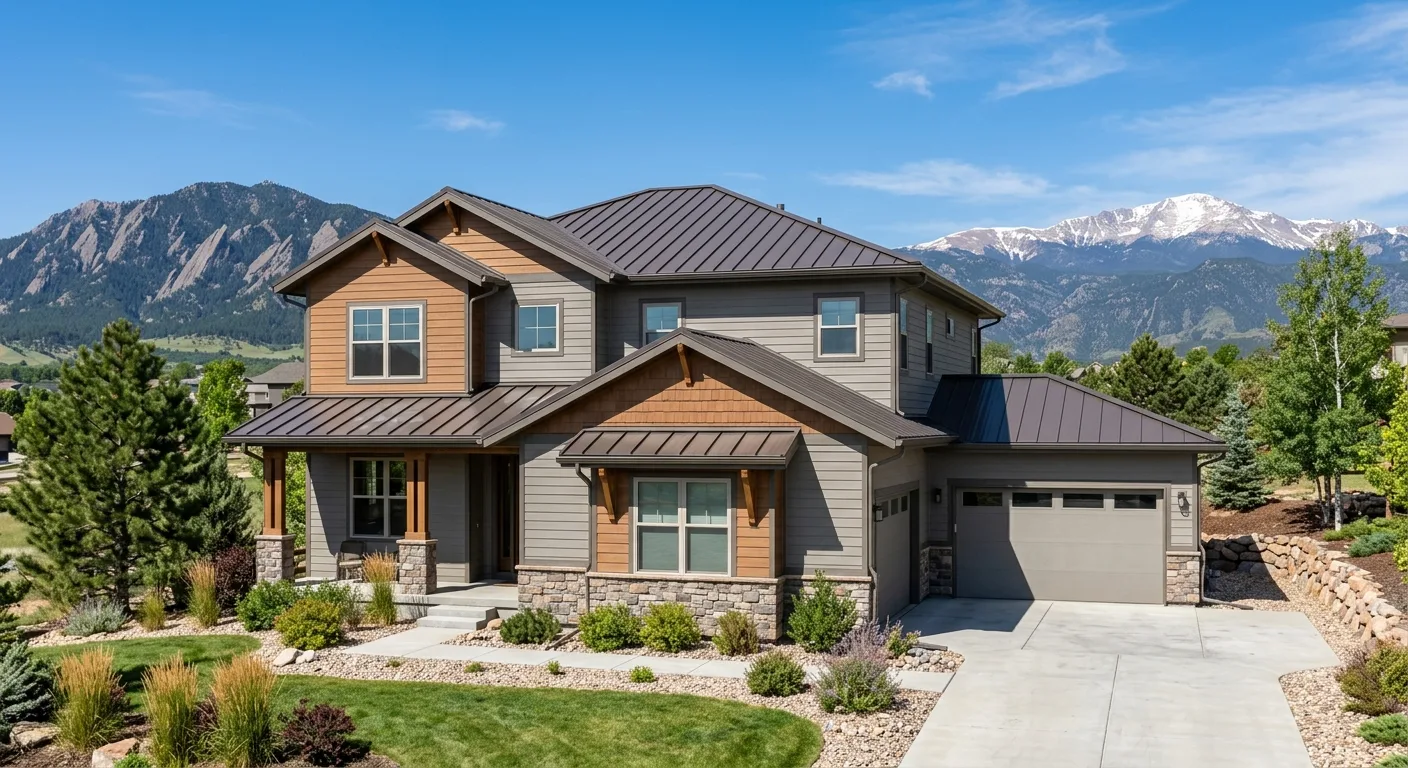
post-remediation verification and structural drying in a Colorado home
Mold Remediation Services in Colorado: The Front Range Moisture Problem
This is the part that separates a Colorado mold job from a generic one. Front Range homes fight moisture on a specific schedule. Freeze-thaw cycling between overnight lows in the single digits and afternoons near 50 degrees works water into foundation cracks, and the spring snowmelt that follows drives that water toward basements and crawlspaces just as the temperatures warm enough for mold to take off. Homes along the mountain corridors near Evergreen and Golden and up into Grand and Routt counties see this every year: a crawlspace that reads bone-dry in February and grows a mold colony by May.
The older mountain and foothills housing stock makes it worse. Homes built before newer drainage and vapor-barrier practices often have crawlspaces and basements that were never sealed against ground moisture, so the seasonal water has an open path. When we scope a mold job here, we're not just removing growth. We're identifying which seasonal source fed it, because a remediation that ignores the snowmelt cycle is a remediation you'll be paying for again next spring. That is exactly the kind of moisture and pest exposure our protection services are built to get ahead of.
mold remediation services, moisture source assessment in a Colorado home
Mold Mitigation in Colorado: Thornton, Longmont, Erie, Castle Rock, Denver, and Canon City
Mold mitigation in Colorado looks different depending on which side of the metro you're standing in, and that's the part most out-of-town crews miss. Complete Estate Care works the full Front Range: the northern plains cities of Thornton, Longmont, and Erie, the south metro suburbs around Castle Rock, the city of Denver and its close-in neighborhoods, and down into the Arkansas River valley at Canon City. Joe Slota walks each assessment himself, because the moisture story in a Thornton slab-on-grade home is not the same story as a finished walkout basement in Castle Rock.
Mold removal in Thornton, Longmont, and Erie
Up on the northern plains, Thornton and Longmont and Erie sit on flatter ground with a high share of slab and shallow-basement homes. The pattern we see here is spring snowmelt plus summer afternoon storms pushing water against foundations and under slabs, then the bone-dry high-plains air drying the visible surface while the sub-slab or wall cavity stays damp. A mold removal job in Thornton or a mold remediation call in Longmont almost always traces back to grading and drainage that moved seasonal water toward the house instead of away from it. We find that source first, then remove the growth.
"In Erie and north Longmont I see newer homes where everyone assumes mold is an old-house problem. It isn't. It's a water-path problem. A ten-year-old home with bad grading grows mold just as fast as a fifty-year-old one."
Mold remediation in Castle Rock, Denver, and Canon City
South of Denver, Castle Rock's rolling terrain and walkout and garden-level basements change where the water collects, so the growth tends to show up low and on the uphill wall of a finished basement. In Denver proper the older housing stock is the factor: homes built before modern drainage and vapor-barrier practices often have basements and crawlspaces that were never sealed against ground moisture. And down in Canon City, the lower elevation and warmer Arkansas River valley air hold humidity longer than the higher metro does, which lets growth get going in a damp crawlspace faster than most homeowners expect. Each of these is a different moisture source, and each gets scoped to the one feeding it.
Wherever you are on the Front Range, the sequence is the same:
- find and stop the water
- contain the area
- filter the air
- remove what can't be cleaned
- dry to a documented target
- and rebuild
Joe assesses the property in person and scopes it to documentation your insurer can follow. Call (303) 304-9997 or tell us what's going on and we'll get an assessment on the calendar.
Key Facts: What Determines a Mold Job Outcome
The facts that decide whether a mold problem gets solved or just painted over. Each point comes out of how mold actually behaves in Front Range homes and how Colorado insurers handle mold claims.
No moisture, no mold
Ten square feet is the DIY line
Porous materials come out, non-porous get cleaned
Insurers pay documented, sudden-event mold
Colorado mold runs on a seasonal schedule
Bleach hides mold, it doesn't remove it
moisture-mapped mold documentation for a Colorado insurance claim
Mold and Water Damage: One Contractor, One Scope
Mold and water damage are the same conversation, which is why we handle them together. Almost every mold job we scope traces back to water that sat somewhere too long: a supply line, a roof leak, poor drainage, or the fire-suppression water left behind after a structure fire. Mildew and mold that show up on a basement wall weeks after a plumbing leak are the visible end of a water problem that started upstream.
Where mold work connects to the rest of the job
That overlap is why mold work connects directly to the rest of what we do. If your mold came from fire-suppression water after a structure fire, it's part of the same claim and the same scope, not a separate call to a separate company. If it came from seasonal moisture and pest intrusion, our protection services address the structure so it stops happening. And because we handle water and mold damage referrals end to end, a partner or property manager can send the whole problem to one contractor instead of coordinating three. Tell us what's going on and we'll come back with a plan that covers the moisture source, the removal, and the rebuild.
Protection Cost Estimate
Get a Mold Assessment On the Calendar
Mold doesn't fix itself, and the longer the water feeds it the bigger the job gets. Joe Slota assesses the property himself, finds the moisture source, scopes the removal to a standard your insurer will accept, and handles the drying and rebuild from one scope. No call center, no bleach-and-leave crew. Call (303) 304-9997 to get an assessment scheduled.
Call (303) 304-9997 Free · No obligation
Or send us your info
FAQ Common questions
Frequently Asked Questions
Answers below
How much does mold remediation cost? +
Mold remediation cost is driven by two things: the size of the affected area and the moisture source behind it. A small, contained area with an easy-to-stop leak is a modest job, while a finished basement fed by seasonal snowmelt that has spread into drywall, carpet pad, and framing is a much larger one because more material has to come out and the source has to be corrected. Rather than quote a number over the phone that won't survive first contact with the actual damage, Complete Estate Care starts every job with a moisture reading and a walk-through, then scopes the work to line items your insurer can follow. Call (303) 304-9997 for an accurate assessment.
Is mold covered by homeowners insurance? +
Sometimes. Most homeowner's policies cover mold that results from a sudden, covered event, such as a burst pipe or the water left behind by fire suppression, but they resist mold they can attribute to long-term neglect or gradual seepage. This is where mold claims most often go wrong in Colorado. The outcome usually comes down to documentation: proving where the water came from and that the growth followed a covered event. Complete Estate Care moisture-maps and photographs every affected area and builds the scope to the same documentation standard used for HB25-1182 mitigation reports, so the connection between the water event and the mold is clearly on the record. Call (303) 304-9997 to talk through your specific situation.
Can I remove mold myself or do I need a professional? +
You can handle small mold yourself. The EPA's guidance is that homeowners can clean mold covering less than about ten square feet, roughly a patch smaller than a sheet of plywood, with household cleaner, gloves, and good ventilation. Beyond that size, or when the growth keeps coming back after you clean it, you need professional remediation. Recurring mold is the tell that you have a hidden moisture source feeding it, and cleaning the surface without stopping the water just resets the clock. If you're not sure which situation you're in, an assessment will tell you.
Why does mold keep coming back after I clean it? +
Because you didn't remove the moisture source. Mold is a symptom of a water problem, and wiping the visible growth off a wall or spraying it with bleach removes the color but not the cause. As long as the material behind it stays damp, from a slow leak, poor drainage, or the seasonal snowmelt that feeds Front Range basements every spring, the mold grows right back. Real remediation finds and corrects the water source first, then removes the growth. That's the difference between a fix and a temporary cover-up.
Does bleach kill mold? +
Bleach is not a reliable mold remediation method on porous surfaces. On drywall, wood, or carpet pad, bleach removes the visible color but leaves the root growth in the material, and it adds water, which is the one thing mold needs. On hard, non-porous surfaces like tile it can help clean, but it doesn't address the moisture source or the spores released into the air. Real remediation contains the area, runs HEPA filtration, removes the porous materials that can't be cleaned, and corrects the water. Spraying bleach and walking away is the most common reason a mold problem comes back.
How is Complete Estate Care different from a franchise mold company? +
The biggest difference is that we treat mold as a moisture problem, not a spraying problem, and we document it for your claim. Many franchise crews spray, wipe, and leave without correcting the water source, so the mold returns. Complete Estate Care is a Division of Complete Estate Care LTD, a licensed general contractor, so Joe Slota finds and stops the moisture source, contains and removes the growth to an industry-standard scope, and rebuilds the finishes on one scope and one timeline. He also builds the insurance documentation to the HB25-1182 standard Colorado underwriters already recognize, which matters more on the Front Range, where seasonal moisture makes carriers scrutinize mold claims closely.